Content
Published: 2nd December 3:14AM
A brewing storm in the Battlefield community has reached a boiling point this week following the launch of Season 1 for the recently released Battlefield 6. What began as a celebration of a “return to roots” has quickly soured, with players accusing EA and DICE of pulling a classic “bait and switch” regarding the game’s artistic direction.
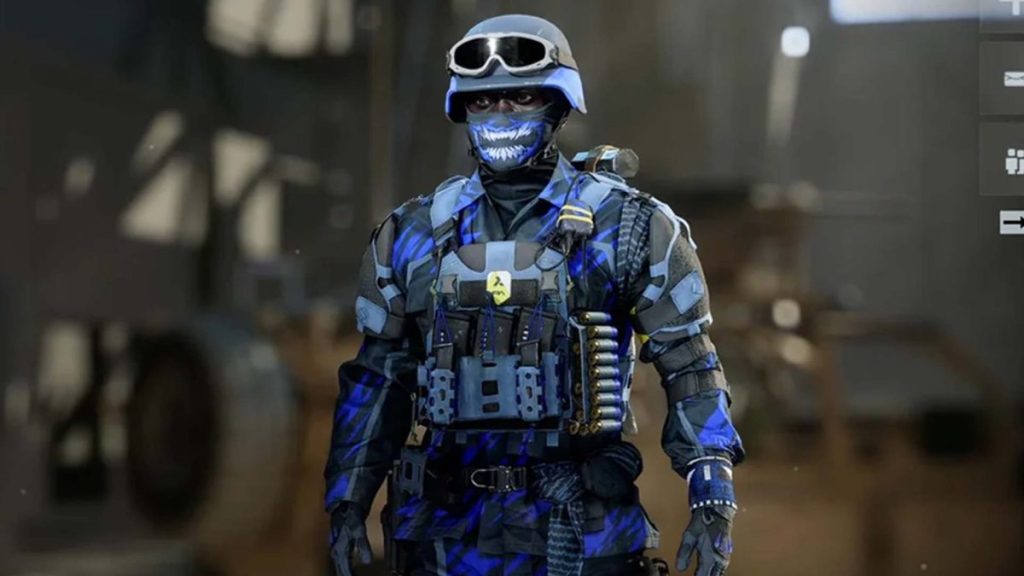
A viral Reddit post titled “The Bait and Switch of Battlefield 6” has become the lightning rod for this frustration. The post highlights a jarring disconnect between the game’s marketing—which promised a grounded, gritty military shooter—and the sudden influx of stylized, hero-shooter cosmetics introduced in the first seasonal update.
The “Bait”: A Promise of Grounded Warfare
When Battlefield 6 launched in late 2025, it was lauded for its atmosphere. The marketing campaign and the initial weeks of gameplay featured what fans had been begging for since the divisive Battlefield 2042: anonymous soldiers, a desaturated and gritty color palette, and a focus on squad-based military immersion.
As the Reddit thread points out, the launch branding featured “four anonymous soldiers, seen only from behind,” communicating that the game was about ordinary fighters in an extraordinary conflict. The aesthetic was heavy, war-torn, and respectful of the franchise’s legacy.
Players felt heard. After years of complaining about neon weapon charms and Santa Claus skins, it seemed DICE had finally recommitted to the series’ core identity.
The “Switch”: Season 1’s Tonal Whiplash
However, the goodwill evaporated with the arrival of Season 1. The Reddit post contrasts the launch imagery with the new season’s branding, which critics argue looks “ripped straight from Call of Duty.”
Gone are the nameless grunts; in their place are characters posing under studio lighting, “each seemingly auditioning for their own hero franchise.” The subtle, classic orange accents have been replaced by a loud, glossy orange that dominates the screen. For many, this visual pivot signals a return to the trend-chasing monetization that plagued previous entries.
”The whole game is about advancing some meaningless bar in order to get the next battlepass item instead of having fun,” one disillusioned user commented, lamenting the shift from gameplay-first to engagement-first design.
Broken Commitments?
The community’s anger is compounded by explicit promises made by the development team prior to launch. In an effort to win back trust after 2042, studio leadership was vocal about avoiding “goofy” cosmetics.
In a September 2025 interview with IGN, Battlefield 6 Technical Director Christian Buhl sought to reassure skeptical fans.
“We’re a gritty, grounded, realistic shooter,” Buhl stated, explicitly distancing the new title from the tone of competitors like Fortnite or Call of Duty.
Similarly, Console Combat Designer Matthew Nickerson doubled down on this philosophy:
“We’re not chasing trends. We’re not chasing other products.”
For players now looking at Season 1’s polished hero skins and vibrant menus, these quotes read less like a design philosophy and more like a broken contract. The community fears that the “gritty” launch was merely a temporary facade designed to secure initial sales from veterans, only for the “real” monetization strategy to be deployed once the player base was locked in.
The “Opportunity Cost” of Skins
Defenders of the update argue that core gameplay remains unchanged, but the Reddit thread counters this with the concept of “opportunity cost.”
”Instead of focusing on the actual Battlefield 6 game, they focus on making us more money-grabbing loops to jump through,” the original poster argued. The fear is that resources are being diverted from maps, balance, and server stability to fuel a cosmetic pipeline that actively degrades the game’s immersive qualities.
As Battlefield 6 moves forward, EA and DICE face a familiar dilemma: chase the lucrative microtransaction trends of the industry, or honor the “gritty realism” they sold to their oldest fans. If the reaction to Season 1 is any indication, they cannot do both.

About the author